Hydroseed lawn care, week by week
The crew sprays the seed, but the next six weeks are up to you. Watering is the single biggest factor in whether a hydroseeded lawn comes in thick or patchy.
Updated November 14, 2026
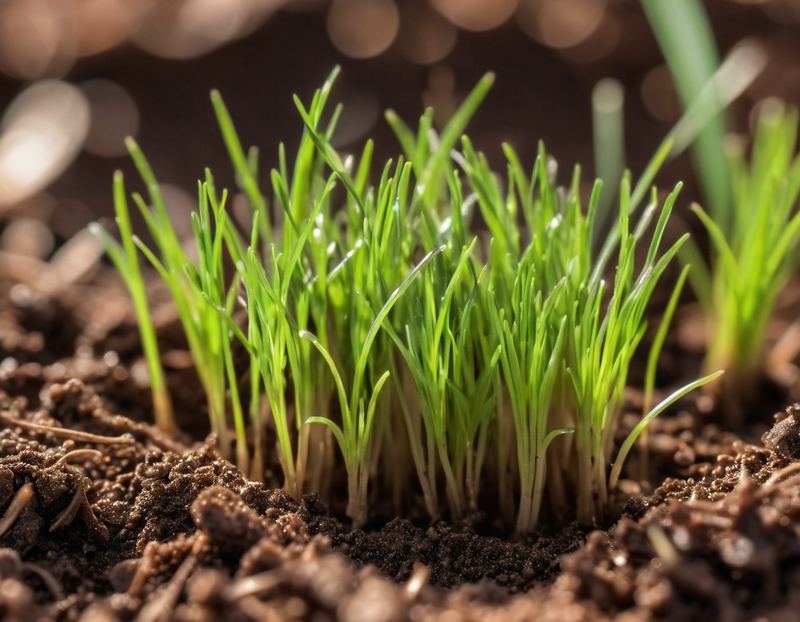
The watering rule
Keep the top half-inch of soil damp, not soaked, until the grass is up and growing. Seed that dries out after it starts sprouting dies. Too much water at once runs off, washes seed into low spots and invites fungus.
In practice that means several short waterings a day at first, then fewer, longer ones as the roots go deeper.
Watering schedule
| Time after spraying | How often | How long |
|---|---|---|
| Days 1 to 14 | 2 to 4 times a day | 5 to 10 minutes per zone, just enough to darken the mulch |
| Weeks 3 to 4 | Once or twice a day | 10 to 20 minutes per zone |
| Weeks 5 to 6 | Every other day | Longer soaks, around half an inch of water |
| Week 7 onward | 1 to 2 times a week | About 1 inch of water per week total, including rain |
Adjust to the weather. A hot, windy September week may need an extra midday watering; a rainy week needs less. If the mulch looks light grey and dry, water. If puddles form or water runs off, cut the time.
Water in the morning and early afternoon. Avoid watering late in the evening, which leaves the grass wet overnight and can encourage disease.
What to expect
- Days 1 to 3. The green color fades and the mulch dries to a paper-like crust. That is normal. Start watering the same day.
- Days 5 to 14. Fescue and ryegrass sprout first, as fine green fuzz. Bermuda takes longer and needs warm soil. Coverage looks uneven at first; that is expected.
- Weeks 3 to 4. Grass thickens and darkens. Thin areas and any washouts become obvious. Tell your contractor now if a patch is bare.
- Weeks 4 to 6. First mow when the grass reaches about 4 inches (fescue) or 2 inches (Bermuda).
- Weeks 6 to 10. First fertilizer feeding, watering cut back, and the lawn starts filling in.
- Months 3 to 6. The lawn becomes ready for normal use. For fescue seeded in fall, the following spring is when it really thickens.
The first mow
- Wait until the grass is about a third taller than your target height: around 4 inches for fescue, cutting it back to about 3 inches.
- Let the soil dry for a day so mower wheels do not rut it.
- Use a sharp blade. A dull blade pulls young grass out by the roots.
- Use a push mower if you can; avoid zero-turn mowers turning sharply on young grass.
- Never remove more than a third of the blade in one mow.
Fertilizer
The slurry usually includes a starter fertilizer. Most contractors suggest a follow-up feeding about six to eight weeks after seeding. For fall-seeded fescue, a feeding in late fall helps roots through winter. Follow your contractor’s advice and your soil test.
Weeds
Some weeds will come up with the grass, especially on soil that was bare for a while. Do not panic and do not spray yet. Regular mowing will set back many of them. Most herbicides can harm new grass, so wait until the lawn has been mowed two or three times and check the label for use on new seedings. Do not apply a crabgrass pre-emergent in the spring after a fall seeding without checking the label, and never before seeding, as it also stops grass seed from germinating.
Traffic, pets and kids
Keep everyone off for at least three to four weeks, and keep heavy play off for two to three months. Dogs are the hardest part. If you can, fence off a section for the dog or seed the dog run separately later.
Fixing problems
- Bare patches after three weeks: often a dry spot or a washout. Lightly rough up the soil, reseed, and water more there.
- Grass in low spots, bare on high spots: water ran downhill and carried seed. Shorter watering cycles help.
- Mushrooms: harmless, a sign of moisture and decomposing mulch. Mow over them.
- Yellow or wilted patches in warm weather: could be heat stress or fungus. Water in the morning, not at night, and ask your contractor.
- Mulch crust that will not soak in: water in two shorter passes a few minutes apart.
More detail on each of these, and when to call the contractor back, is in hydroseed not growing: common problems and fixes.
Hoses, sprinklers and irrigation systems
In-ground irrigation makes the job easy. Switch every zone covering new seed to short cycles, several times a day, and check that each head actually reaches the edges. Turn them back to normal deep, infrequent watering once the lawn is established.
Hose-end sprinklers work for most yards. Oscillating sprinklers give the gentlest, most even coverage on new seed. Inexpensive battery hose timers let you run several short waterings a day without being home. Move sprinklers carefully and avoid dragging hoses across the seedbed.
Hand watering is fine for small patches, but use a fine spray or shower setting. A strong jet blasts the mulch and seed into low spots.
Fall-seeded and spring-seeded lawns
A fescue lawn seeded in September gets cool nights and more reliable rain, so watering eases off sooner. It may look a little thin going into winter, which is normal. It thickens noticeably the following spring. Do not use a crabgrass pre-emergent that spring unless the label says it is safe on new seedings.
A lawn seeded in spring has to be carried through its first summer. Keep mowing high, water deeply once or twice a week through July and August, and expect to overseed thin spots that fall.
Bermuda seeded in early summer establishes fastest of all in the heat but needs steady water through its first six weeks. It will go dormant and tan after the first hard frost, then green up again in spring.
Care questions
How long should I water hydroseed?
For the first two weeks, about 5 to 10 minutes per zone two to four times a day, just enough to keep the surface damp. Then fewer and longer waterings, reaching about an inch a week by week seven.
What happens if it rains right after hydroseeding?
Gentle rain is good and counts as a watering. A heavy storm in the first few days can wash out spots, especially on slopes. The tackifier helps hold the slurry. Check afterward and tell your contractor about any washouts.
When can I walk on hydroseed?
Keep off for at least three to four weeks except to move hoses carefully. Light use after the first couple of mows is fine; heavy play after two to three months.
Can I water too much?
Yes. Puddles, runoff or soil that stays soggy all day mean you are overdoing it. Too much water washes seed away and encourages disease.
Planning a new lawn? A local pro will explain the watering plan before they spray.
Get a free quote or call (615) 784-9092