Lawn renovation and overseeding with hydroseed
A lawn that has thinned out after a hot summer, a few years of shade or a builder’s rushed seeding can usually be brought back without ripping it out. Hydroseeding gets new seed into good contact with the soil and keeps it moist while it sprouts.
Updated November 14, 2026
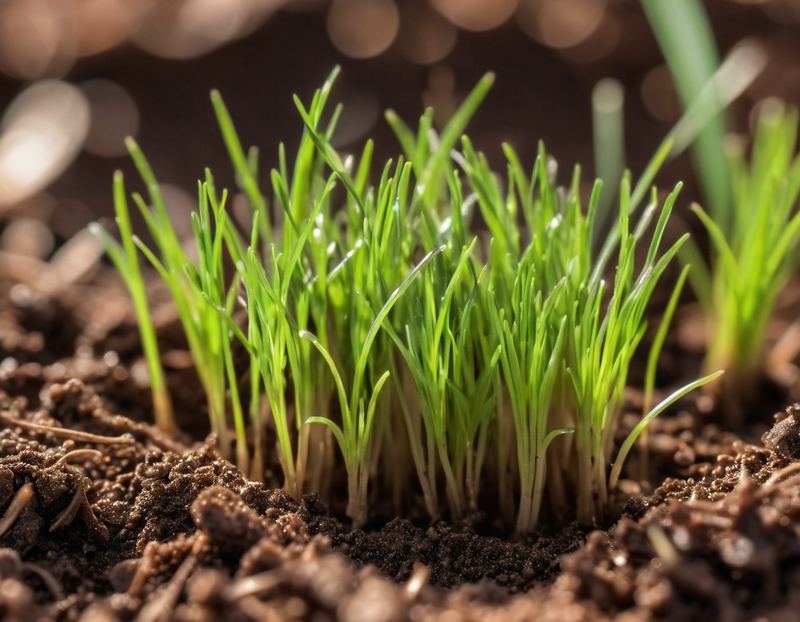
Overseed, renovate or start over?
The right fix depends on how much of the lawn is still worth keeping.
| What you see | Usual fix |
|---|---|
| Lawn is mostly good grass but thin, with some bare spots | Overseeding: aerate or slit the soil, then hydroseed over the existing lawn. |
| Half or more is weeds, bare soil or the wrong grass | Renovation: kill the existing cover, loosen the top layer, then hydroseed. |
| Grading is bad, water pools, soil is pure fill or rock | Start over: regrade, add topsoil, then seed as a new lawn. |
Around Murfreesboro, a lot of lawns land in the middle row. They started as a builder seeding of tall fescue, the fescue thinned out in the first couple of summers, and Bermuda, crabgrass, nutsedge and wild violets moved in. Overseeding fescue into a lawn that is now half Bermuda does not work well, because the Bermuda outcompetes it every summer. In that case a full renovation gives a much better result.
How hydroseed overseeding works
- Mow low. The existing lawn is cut short, around 2 inches, and the clippings are removed so the seed can reach the soil.
- Open the soil. Core aeration or a slit seeder makes small openings in the soil. On hard Middle Tennessee clay, core aeration in two directions helps a lot.
- Spray. The hydroseed slurry is sprayed over the lawn. The mulch settles into the holes and around the base of the existing grass, holding seed in place and keeping it moist.
- Water. Short, frequent waterings for two to three weeks, then deeper and less often.
Overseeding usually uses a lighter mulch rate than a new lawn, since the existing grass already shades and protects the soil.
How a full renovation works
For a lawn that has gone mostly to weeds or the wrong grass, the old cover is sprayed with a non-selective herbicide, given time to die back, then mowed, dethatched or tilled. Some contractors will scalp and power-rake rather than till, which avoids bringing up a new crop of weed seed. Low spots are filled, the soil is amended based on a soil test, and the lawn is hydroseeded like a new one.
Killing out Bermuda takes patience. It often takes two applications several weeks apart during the summer to stop it coming back, which is one reason renovations aimed at a fall fescue seeding are planned in midsummer.
Best time to renovate in Middle Tennessee
For tall fescue: early September to mid-October is the sweet spot. Soil is warm so seed sprouts quickly, nights are cooler, and the young grass gets fall and spring to establish before its first summer. Plan any herbicide work for July and August so the lawn is ready to seed in early September.
For Bermuda: late May through early July, once soil temperatures stay in the upper 60s or higher.
Spring overseeding of fescue (March to April) is possible and sometimes the only option after a hard winter, but those seedlings face summer heat with shallow roots, and spring pre-emergent crabgrass products cannot be used at the same time because they also stop grass seed from sprouting. Talk to your contractor about the trade-off.
Shade, slopes and other problem spots
- Shade under big oaks or maples: use a shade-tolerant fescue blend, raise the mower height and thin the canopy if you can. No grass does well in deep shade.
- Slopes and banks: the tackifier and fiber mulch keep seed from washing down, which is hard to do with hand-spread seed. Very steep slopes may need erosion-control blanket or a heavier mulch. See erosion control hydroseeding.
- Strips along driveways and sidewalks: concrete holds heat, so these dry out fast. They need the most watering attention.
- Dog runs and play areas: rope them off for at least six weeks, or plan to reseed again.
Thatch, compaction and why prep matters
Most failed overseedings in Middle Tennessee fail before the seed ever goes down. Two things block seed from reaching the soil:
- Thatch: a mat of dead stems and roots between the grass blades and the soil. A little is normal. More than about half an inch holds seed up off the ground where it dries out. Bermuda and zoysia lawns build thatch faster than fescue.
- Compaction: clay soils packed by mowers, cars, kids and dogs. Water runs off instead of soaking in, and new roots cannot push down. Core aeration pulls out finger-sized plugs and is the best fix.
A quick test: push a long screwdriver into the lawn a day after a good rain. If it slides in several inches easily, compaction is not your main problem. If you struggle to get it past an inch or two, aerate before seeding.
A typical fall renovation timeline
- Late July: book the contractor and get a soil test. If killing out Bermuda or weeds, make the first herbicide application.
- Mid August: second application on anything that came back. Stop watering the weeds you are trying to kill.
- Late August to early September: mow low, remove debris, dethatch or aerate, and fix low spots.
- Early to mid September: hydroseed, then start the watering schedule the same day.
- October: first mows, and a fertilizer feeding about six to eight weeks after seeding.
What renovation costs
Overseeding a lawn with hydroseed usually costs less per square foot than seeding bare ground because it needs less mulch and less soil prep. A full renovation costs about the same as a new lawn, plus the herbicide and removal work. Small lawns hit the contractor’s minimum charge. See hydroseeding cost in Middle Tennessee for typical ranges.
Questions about lawn renovation
Can you hydroseed over existing grass?
Yes. That is overseeding. It works best when the lawn is mowed short and aerated first so the seed reaches the soil instead of sitting on top of the old grass.
When is it too late to plant grass seed in Tennessee?
For tall fescue in Middle Tennessee, aim to finish by mid-October. Seed sown into early November can still sprout in a mild fall, but it has less time to root before winter. For Bermuda, seeding after about mid-July risks the grass not establishing before the first frost.
Can I use weed killer after overseeding?
Wait until the new grass has been mowed two or three times, usually six to eight weeks, and check the product label for new seedings. Many broadleaf weed killers can damage young grass.
How often should a fescue lawn be overseeded?
Many Middle Tennessee lawns benefit from overseeding every fall or every other fall, because tall fescue does not spread much and thins a little each summer.
Send a couple of photos of your lawn and a local pro will tell you whether to overseed or renovate.
Get a free quote or call (615) 784-9092